
Editorial Split Poster Prompt
Transforms uploaded photos into premium editorial split posters featuring an intact upper photograph and a reconstructed lower narrative core interacting with a geometric color field.
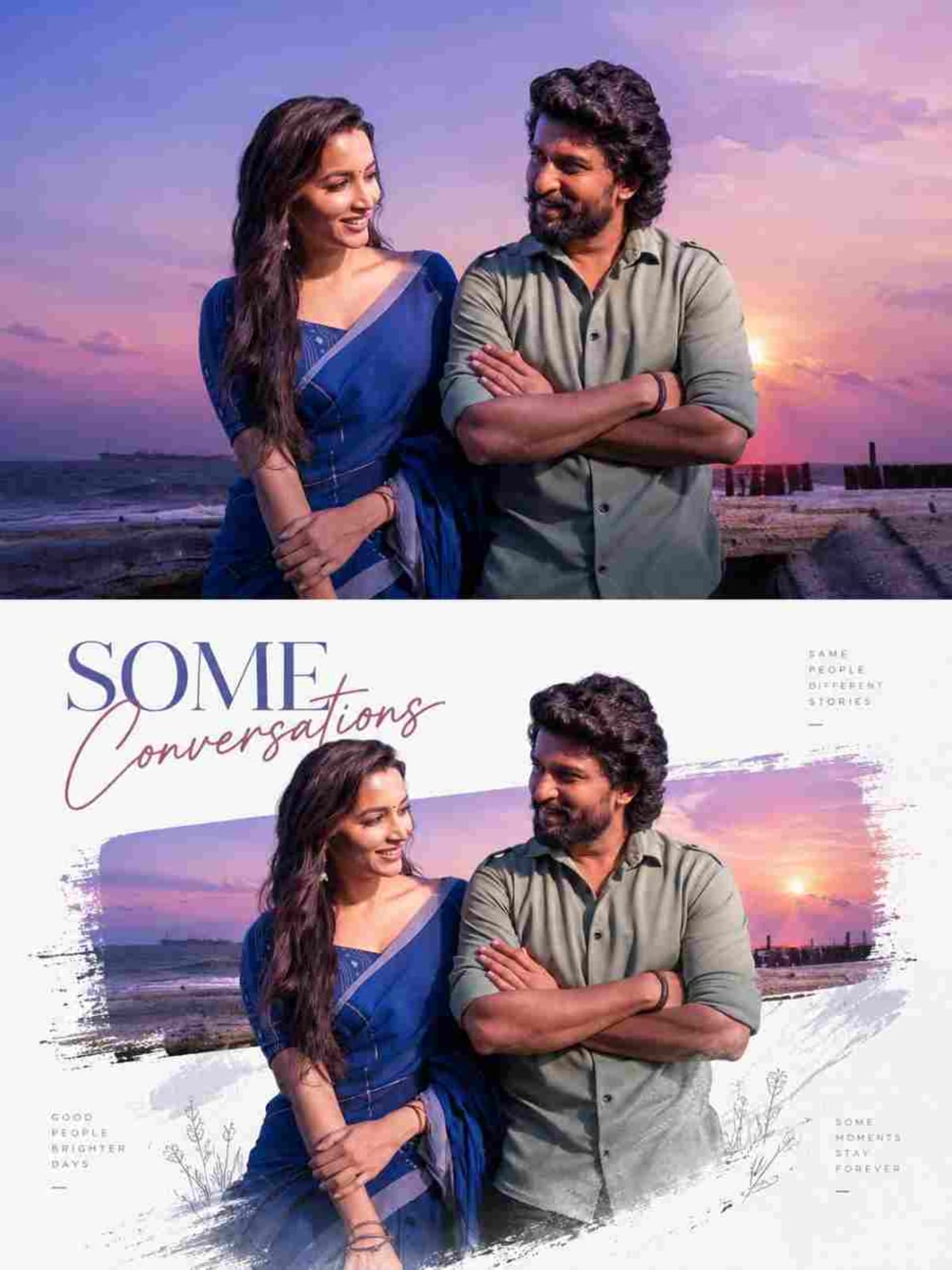
Prompt Text
Ready to copy & executeEach uploaded photo must be made into a separate, independent, premium editorial poster, and
multiple photos must not be combined. Use a strict 3:4 vertical canvas. Split the canvas horizontally in
the exact center: the upper half and the lower half each occupy 50% of the height, are equally wide,
and equally high, with no alteration of proportion.
The upper half uses the original photo directly and must not be regenerated. Preserve the identity of
the main subject, the human body or architectural structure, proportions, perspective, spatial
relationships, texture, natural light and shadow, color, and environment in their entirety. Only slight
cropping and restrained premium color grading are permitted; re-drawing the main subject, fictional
light, HDR, excessive saturation, plastic texture, and fictional content are prohibited. When needing to
adapt to the frame, only environmental areas such as sky, water surface, ground, walls, plants, or
background can be extended.
The lower half extracts and reconstructs the "narrative core" of the photo: it can be a single primary
subject, or a group of related elements that together embody the photo's identity, scale, action, or
story relationship. Maintain its realistic, recognizable appearance, proportion, internal structure,
texture, and relative position. Do not remove important related elements, and do not directly use
rectangular photo cutouts. The reconstructed subject typically occupies 55%–80% of the width of the
lower area. It should naturally extend based on the photo's primary direction and retain plausible
ground, water lines, shadows, or softly dissipated edges to integrate into the background, avoiding a
sticker-like or floating appearance.
Incorporate a narrow, low-saturation geometric color field behind or through the center of the subject,
serving as a "critical window" between reality and editorial abstraction. The color of the window must
be extracted from the original photo, and its orientation (horizontal, vertical, or diagonal) chosen
based on the overall narrative direction.
The subject must actively pass through the window: part of it is within the color field, and part enters
the open negative space, naturally crossing the window's boundary to create occlusion, penetration,
and spatial depth. The window is not a frame or a card; it must not fully enclose the subject. Only one
primary window is allowed; multiple color blocks, thick borders, rounded corners, strong gradients,
and drop shadows are prohibited.
Use a white, cool white, very light gray, or near-white background for the lower half, coordinated with
the photo. Employ a restrained asymmetrical composition and abundant negative space to establish
a three-tier hierarchy:
Reconstructed subject or narrative composition
Low-saturation geometric windowIntroduction
This prompt provides a precise system for generating professional editorial split posters from individual uploaded images. It maintains visual fidelity in the top half while creatively extracting and reconstructing the core narrative subject in the bottom half. By integrating a narrow, low-saturation geometric color field that the subject interacts with, it creates a sophisticated contrast between reality and editorial abstraction.
Prompt Details
Concept & Creative Objective
The creative goal is to produce a balanced, two-tiered editorial poster layout that separates an untouched source photograph from a minimalist, reconstructed lower composition with abundant negative space.
Why This Prompt Works
The prompt enforces a strict 3:4 vertical canvas and precise half-and-half proportions to establish a structured visual hierarchy. Explicit constraints—such as prohibiting full enclosures, excessive saturation, and floating sticker effects—ensure a clean, professional aesthetic.
Prompt Breakdown
The instructions mandate a 3:4 vertical canvas split horizontally in half. The upper half utilizes the original photo directly with only minor cropping and color grading permitted. The lower half reconstructs the narrative core on a light background, incorporating a single extracted color field that the subject partially crosses to create spatial depth.
Instructions
Customization Tips
You can adjust the background colors specified for the lower half to better match specific branding needs, or modify the intended narrative core focus if the AI extracts an unintended subject from your photo.
Generation Best Practices
Upload clear, high-resolution source images to ensure the AI can accurately preserve textures, lighting, and identities in the upper half and successfully isolate the narrative core for the lower section.
Help & Answers
Frequently Asked Questions
Tools that support strong structural and layout control from a reference image, such as Gemini (Nano Banana), GPT-4o image generation, or Midjourney with image prompting. It needs a model that can keep the top half untouched while reconstructing the bottom half, so basic text-to-image tools without image input won’t work.